Written By
Written By
NCAA’s proposed FCS joint spring practices could aid development but risk turning into auditions that fuel FBS poaching via the transfer portal.
Written By
Written By

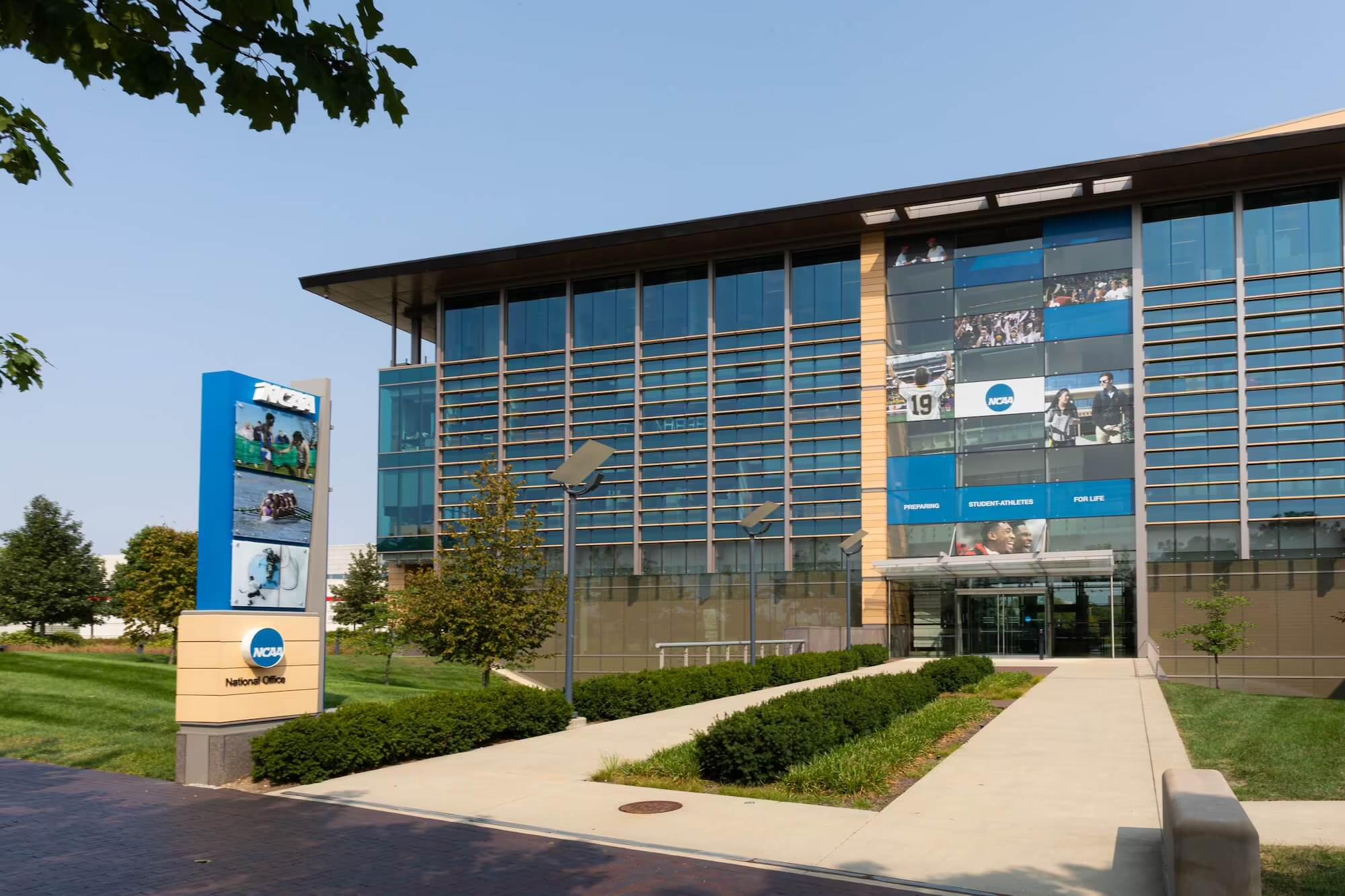


On July 1, North Dakota State officially leaves behind the level it spent 15 years ruling. The Bison have won 10 FCS national titles since 2011, then traded that dynasty for a fresh start in the FBS and the Mountain West. Their exit is the loudest version of a quiet truth in college football. The smaller programs keep losing their best players to the schools above them, and a new NCAA proposal might even make that easier.
Last week, the FCS Oversight Committee floated a rule that looks like a gift to the little guy at first glance. Under the proposal, FCS programs would be allowed to hold joint spring practices with another four-year school, a change pitched as a smarter way to develop young players in the off-season.
For a level of football that runs on player development, that pitch makes sense. FCS programs build their rosters through patient coaching. They find overlooked recruits, develop them over three or four years, and turn them into stars. A few extra reps against an outside opponent could be a real teaching tool.
The trouble is the world this rule would land in. College football no longer keeps its talent in one place. The transfer portal moves thousands of players every winter, and the FCS is usually the level getting raided. During the 2024-25 cycle alone, more than 3,200 FCS players entered the portal, and many of the best ones landed at FBS programs with deeper pockets and bigger checks. The drain reaches the program level, too. James Madison, Sam Houston, Jacksonville State, Delaware, and Missouri State have all climbed from the FCS to the FBS in recent years, and Sacramento State joins them this fall.
The math is not complicated. An FBS roster spot comes with more money, more exposure, and a better shot at the next level. Every offseason, the players who shine at the FCS level become targets for programs one rung up. The pipeline runs in one direction, and North Dakota State’s jump is simply the version that made the headlines.
A joint practice would now sit right in the middle of that pipeline.
This is where the rule gets complicated. FBS coaches rarely get to watch FCS players work in person during the offseason. A joint practice would change that overnight. If a program like South Dakota State, which won back-to-back FCS national titles in 2022 and 2023, lines up against an FBS opponent in the spring, its best players are doing far more than practicing. They are putting fresh film in front of the exact coaches who might recruit them away the following January.
However, none of this is guaranteed to go wrong. The rule does not force anyone to scrimmage up a level. An FCS team could just as easily practice against a conference rival and keep the exposure low. The committee built in flexibility, and the sharper coaches will use it carefully.
The portal era rewards exposure, and exposure travels fast. The same package of changes that shrinks the winter window to 10 days and adds NFL-style OTA practices is built to professionalize the college calendar. Under that plan, the next portal would open on the first business day after New Year’s, running from January 4 to 13 in 2027. A joint practice fits that trend neatly. It also hands FBS staff one more live look at talent they cannot study up close until the season kicks off.
For FCS coaches, that is the real cost. They already spend every offseason fighting to hold their rosters together against schools that can outspend them. A spring practice that doubles as a tryout only adds to that challenge.
The coaches who run these programs understand the stakes better than anyone. Many took the FCS job to build something steady, and roster stability is one of the few advantages they have left over the bigger schools. The NCAA is not blind to the tension either. In the same set of June meetings, the Division I Cabinet asked its staff to keep studying concerns about tampering between programs. A rule that puts the best FCS players on display, even in the name of better teaching, pulls against that worry.
Interestingly, none of this is final. The proposal still needs a vote from the oversight committee in August, and if it passes, it would take effect on January 1, 2027. Plenty can shift between now and then.
The rule will probably pass in some form, given that the rest of the offseason package is moving right along with it. When it does, the schools that gain the most may not be the FCS programs the change was meant to help. They could just as easily be the FBS staffs sitting at the top of the portal, holding fresh film they never used to get, and ready to act the moment that 10-day window opens in January.